
Honoring National Grief Awareness Day: Understanding, Supporting, and Healing Together
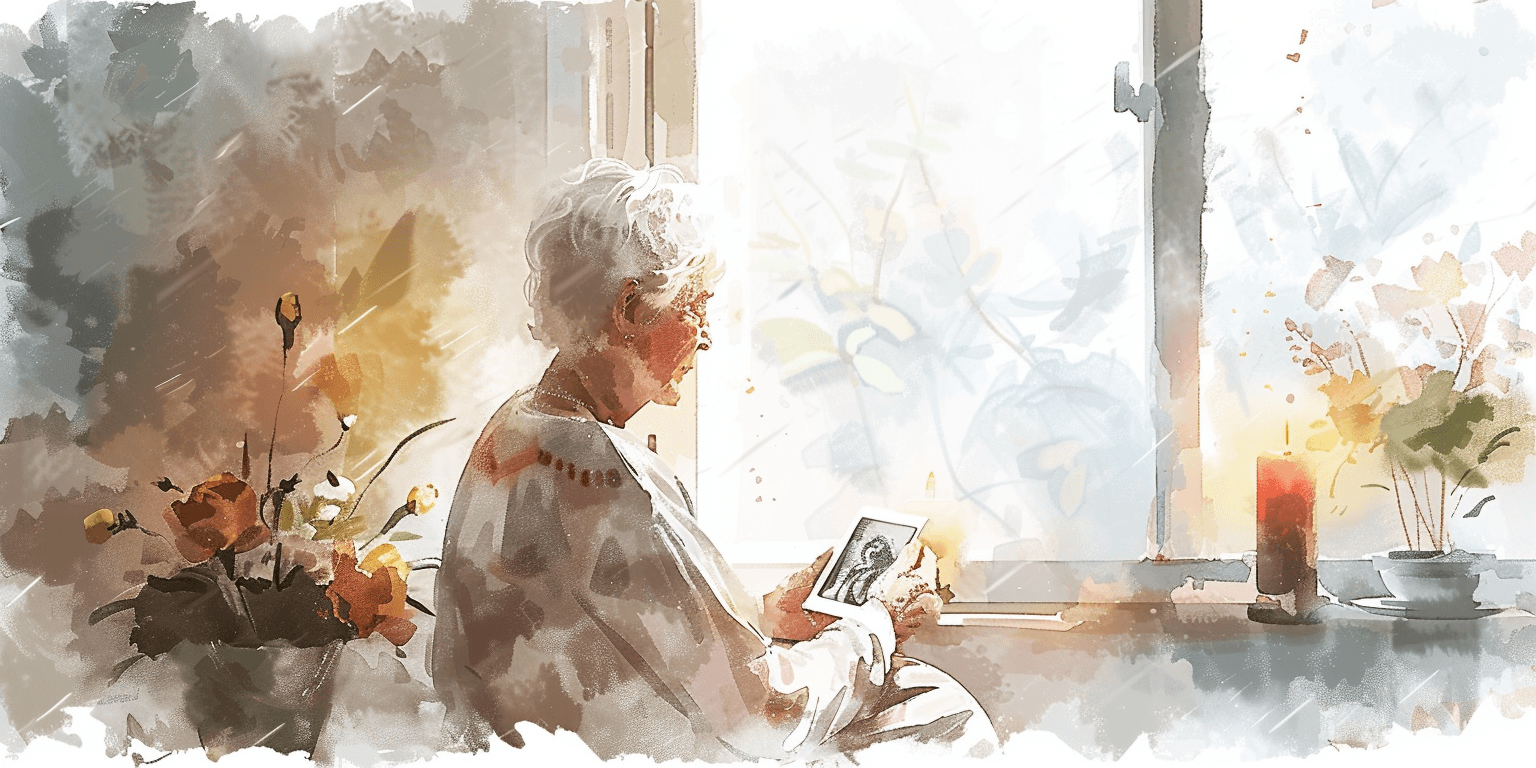
Grief is a universal part of the human experience, yet it is also one of the most deeply personal journeys each of us will walk. Every year on August 30, we mark National Grief Awareness Day, a time to bring grief out of the shadows and into the light of compassionate conversation.
Loss is more frequent in later life—be it the passing of loved ones, the decline of health, or changes in independence—but acknowledgment, support, and resources can ease the weight of grief and offer a path toward healing.
In this article, we’ll explore the meaning of National Grief Awareness Day, its significance for older adults, and ways families and communities can provide meaningful support.
What Is National Grief Awareness Day?
Founded in 2014, National Grief Awareness Day encourages people to have open conversations about loss. The day’s goal is to remind us that grief is not a problem to be fixed; it’s a natural, often complex response to loss. By raising awareness, the observance helps reduce stigma, encourages compassion, and educates individuals on the diverse ways people process grief.
While the day focuses on creating national visibility, its heart lies in local communities, families, and care settings—places where grief is lived each day.
Why Grief Awareness Matters in Senior Care
Although grief touches every age group, the senior population often carries its burden more frequently. The following realities highlight why grief support is especially important for older adults:
The loss of longtime companions: Seniors commonly experience the death of spouses, siblings, and lifelong friends. These are profound connections that shape identity and daily life, making their loss deeply felt.
Changes in health and independence: A move to assisted living, giving up driving, or facing new health limitations can cause “non-death losses” that bring waves of grief.
Accumulated grief: Multiple losses over time can stack on top of one another. A senior may still be mourning friends from years past while simultaneously dealing with fresh goodbyes.
Isolation and loneliness: Grief can be magnified by social isolation, something older adults often deal with when family is distant or mobility decreases.
Recognizing the weight of grief in later life allows caregivers and loved ones to respond with patience, empathy, and appropriate support.
Understanding the Grief Journey
Progressing through grief is a unique, nuanced journey. While some may find comfort in models like the “five stages of grief,” each individual’s path is unique. Seniors may cycle between emotions or revisit stages multiple times.
Common Expressions of Grief in Older Adults:
Emotional reactions: sadness, anxiety, guilt, anger, or numbness
Physical symptoms: fatigue, changes in appetite, trouble sleeping, or worsened medical conditions
Cognitive changes: forgetfulness, difficulty focusing, or feeling “disconnected” from surroundings
Spiritual concerns: grappling with questions of purpose, meaning, or faith
For caregivers, it is vital to understand that there is no “right way” to grieve. Seniors might express grief openly, or they may remain stoic in keeping with cultural or generational norms. Both responses are valid and deserving of respect.
Supporting Seniors Through Grief
While grief is deeply personal, it does not have to be faced alone. There are many ways caregivers, family members, and communities can provide comfort and support:
1. Offer Presence, Not Pressure
Sometimes the greatest gift you can give is showing up and listening. Avoid rushing a senior through their grief or offering platitudes like “time heals all wounds.” Instead, allow them to share memories, express emotions, or simply sit in silence.
2. Encourage Healthy Routines
Physical well-being influences emotional health. Ensuring seniors eat balanced meals, get rest, and engage in gentle activity (like walking or stretching) can stabilize body and mind during periods of grief.
3. Create Opportunities for Remembrance
Storytelling, photo albums, memory boxes, or participating in traditions can provide comfort and affirm the ongoing presence of loved ones in their hearts.
4. Promote Connection
Involvement in community groups, faith congregations, or support circles helps prevent isolation. Peer interactions, especially with others who have experienced loss, can ease the loneliness of grief.
5. Know When to Seek Professional Support
If grief becomes overwhelming—manifesting as persistent depression, withdrawal, or inability to manage daily life—a counselor, therapist, or grief support group can provide specialized care.
The Role of Caregivers on Grief Awareness Day
For professional caregivers in senior living communities, National Grief Awareness Day is an opportunity to reflect on policies and practices that acknowledge residents’ emotional as well as physical needs. This might mean:
Offering special group sessions on grief education
Hosting memorial events for residents who have passed
Providing resources for families dealing with loss
Training staff to recognize signs of complicated grief
Acknowledging grief openly fosters a culture of empathy where seniors and their loved ones feel seen and supported.
Practical Ways to Observe National Grief Awareness Day
For seniors, families, and caregivers wishing to mark the day in meaningful ways, consider:
Lighting a candle in remembrance of those who have passed
Writing a letter to a loved one and reading it aloud in a quiet space
Walking in nature to reflect and find calm
Attending a local memorial or grief support group
Starting a conversation with family or residents about loss and resilience
Even small, intentional acts can help transform grief into a shared human experience rather than a private struggle.
A Message of Hope
While grief may change form, it rarely disappears entirely. Over time, however, it can transform from overwhelming pain into a quieter presence—one that coexists with joyful memories and ongoing love. For seniors, learning to hold grief alongside the richness of life’s experiences is an important, though difficult, part of aging.
National Grief Awareness Day reminds us that none of us must walk that road alone. By recognizing the reality of grief, extending understanding to those navigating it, and creating compassionate spaces for healing, we honor not only the people we’ve lost but also the resilience of those who carry their memory forward.
Conclusion
On August 30, let’s pause to remember what National Grief Awareness Day asks of us: to approach grief with openness, compassion, and understanding. For seniors, whose lives are marked by both cherished memories and painful goodbyes, recognition of grief is essential for emotional well-being.
Whether you are grieving personally, supporting a parent or spouse, or caring for a community of older adults, let this day serve as a reminder that grief is not a weakness but a testament to love. Through empathy, connection, and care, healing becomes possible—and memories remain as anchors of comfort.
Grief is a universal part of the human experience, yet it is also one of the most deeply personal journeys each of us will walk. Every year on August 30, we mark National Grief Awareness Day, a time to bring grief out of the shadows and into the light of compassionate conversation.
Loss is more frequent in later life—be it the passing of loved ones, the decline of health, or changes in independence—but acknowledgment, support, and resources can ease the weight of grief and offer a path toward healing.
In this article, we’ll explore the meaning of National Grief Awareness Day, its significance for older adults, and ways families and communities can provide meaningful support.
What Is National Grief Awareness Day?
Founded in 2014, National Grief Awareness Day encourages people to have open conversations about loss. The day’s goal is to remind us that grief is not a problem to be fixed; it’s a natural, often complex response to loss. By raising awareness, the observance helps reduce stigma, encourages compassion, and educates individuals on the diverse ways people process grief.
While the day focuses on creating national visibility, its heart lies in local communities, families, and care settings—places where grief is lived each day.
Why Grief Awareness Matters in Senior Care
Although grief touches every age group, the senior population often carries its burden more frequently. The following realities highlight why grief support is especially important for older adults:
The loss of longtime companions: Seniors commonly experience the death of spouses, siblings, and lifelong friends. These are profound connections that shape identity and daily life, making their loss deeply felt.
Changes in health and independence: A move to assisted living, giving up driving, or facing new health limitations can cause “non-death losses” that bring waves of grief.
Accumulated grief: Multiple losses over time can stack on top of one another. A senior may still be mourning friends from years past while simultaneously dealing with fresh goodbyes.
Isolation and loneliness: Grief can be magnified by social isolation, something older adults often deal with when family is distant or mobility decreases.
Recognizing the weight of grief in later life allows caregivers and loved ones to respond with patience, empathy, and appropriate support.
Understanding the Grief Journey
Progressing through grief is a unique, nuanced journey. While some may find comfort in models like the “five stages of grief,” each individual’s path is unique. Seniors may cycle between emotions or revisit stages multiple times.
Common Expressions of Grief in Older Adults:
Emotional reactions: sadness, anxiety, guilt, anger, or numbness
Physical symptoms: fatigue, changes in appetite, trouble sleeping, or worsened medical conditions
Cognitive changes: forgetfulness, difficulty focusing, or feeling “disconnected” from surroundings
Spiritual concerns: grappling with questions of purpose, meaning, or faith
For caregivers, it is vital to understand that there is no “right way” to grieve. Seniors might express grief openly, or they may remain stoic in keeping with cultural or generational norms. Both responses are valid and deserving of respect.
Supporting Seniors Through Grief
While grief is deeply personal, it does not have to be faced alone. There are many ways caregivers, family members, and communities can provide comfort and support:
1. Offer Presence, Not Pressure
Sometimes the greatest gift you can give is showing up and listening. Avoid rushing a senior through their grief or offering platitudes like “time heals all wounds.” Instead, allow them to share memories, express emotions, or simply sit in silence.
2. Encourage Healthy Routines
Physical well-being influences emotional health. Ensuring seniors eat balanced meals, get rest, and engage in gentle activity (like walking or stretching) can stabilize body and mind during periods of grief.
3. Create Opportunities for Remembrance
Storytelling, photo albums, memory boxes, or participating in traditions can provide comfort and affirm the ongoing presence of loved ones in their hearts.
4. Promote Connection
Involvement in community groups, faith congregations, or support circles helps prevent isolation. Peer interactions, especially with others who have experienced loss, can ease the loneliness of grief.
5. Know When to Seek Professional Support
If grief becomes overwhelming—manifesting as persistent depression, withdrawal, or inability to manage daily life—a counselor, therapist, or grief support group can provide specialized care.
The Role of Caregivers on Grief Awareness Day
For professional caregivers in senior living communities, National Grief Awareness Day is an opportunity to reflect on policies and practices that acknowledge residents’ emotional as well as physical needs. This might mean:
Offering special group sessions on grief education
Hosting memorial events for residents who have passed
Providing resources for families dealing with loss
Training staff to recognize signs of complicated grief
Acknowledging grief openly fosters a culture of empathy where seniors and their loved ones feel seen and supported.
Practical Ways to Observe National Grief Awareness Day
For seniors, families, and caregivers wishing to mark the day in meaningful ways, consider:
Lighting a candle in remembrance of those who have passed
Writing a letter to a loved one and reading it aloud in a quiet space
Walking in nature to reflect and find calm
Attending a local memorial or grief support group
Starting a conversation with family or residents about loss and resilience
Even small, intentional acts can help transform grief into a shared human experience rather than a private struggle.
A Message of Hope
While grief may change form, it rarely disappears entirely. Over time, however, it can transform from overwhelming pain into a quieter presence—one that coexists with joyful memories and ongoing love. For seniors, learning to hold grief alongside the richness of life’s experiences is an important, though difficult, part of aging.
National Grief Awareness Day reminds us that none of us must walk that road alone. By recognizing the reality of grief, extending understanding to those navigating it, and creating compassionate spaces for healing, we honor not only the people we’ve lost but also the resilience of those who carry their memory forward.
Conclusion
On August 30, let’s pause to remember what National Grief Awareness Day asks of us: to approach grief with openness, compassion, and understanding. For seniors, whose lives are marked by both cherished memories and painful goodbyes, recognition of grief is essential for emotional well-being.
Whether you are grieving personally, supporting a parent or spouse, or caring for a community of older adults, let this day serve as a reminder that grief is not a weakness but a testament to love. Through empathy, connection, and care, healing becomes possible—and memories remain as anchors of comfort.
Grief is a universal part of the human experience, yet it is also one of the most deeply personal journeys each of us will walk. Every year on August 30, we mark National Grief Awareness Day, a time to bring grief out of the shadows and into the light of compassionate conversation.
Loss is more frequent in later life—be it the passing of loved ones, the decline of health, or changes in independence—but acknowledgment, support, and resources can ease the weight of grief and offer a path toward healing.
In this article, we’ll explore the meaning of National Grief Awareness Day, its significance for older adults, and ways families and communities can provide meaningful support.
What Is National Grief Awareness Day?
Founded in 2014, National Grief Awareness Day encourages people to have open conversations about loss. The day’s goal is to remind us that grief is not a problem to be fixed; it’s a natural, often complex response to loss. By raising awareness, the observance helps reduce stigma, encourages compassion, and educates individuals on the diverse ways people process grief.
While the day focuses on creating national visibility, its heart lies in local communities, families, and care settings—places where grief is lived each day.
Why Grief Awareness Matters in Senior Care
Although grief touches every age group, the senior population often carries its burden more frequently. The following realities highlight why grief support is especially important for older adults:
The loss of longtime companions: Seniors commonly experience the death of spouses, siblings, and lifelong friends. These are profound connections that shape identity and daily life, making their loss deeply felt.
Changes in health and independence: A move to assisted living, giving up driving, or facing new health limitations can cause “non-death losses” that bring waves of grief.
Accumulated grief: Multiple losses over time can stack on top of one another. A senior may still be mourning friends from years past while simultaneously dealing with fresh goodbyes.
Isolation and loneliness: Grief can be magnified by social isolation, something older adults often deal with when family is distant or mobility decreases.
Recognizing the weight of grief in later life allows caregivers and loved ones to respond with patience, empathy, and appropriate support.
Understanding the Grief Journey
Progressing through grief is a unique, nuanced journey. While some may find comfort in models like the “five stages of grief,” each individual’s path is unique. Seniors may cycle between emotions or revisit stages multiple times.
Common Expressions of Grief in Older Adults:
Emotional reactions: sadness, anxiety, guilt, anger, or numbness
Physical symptoms: fatigue, changes in appetite, trouble sleeping, or worsened medical conditions
Cognitive changes: forgetfulness, difficulty focusing, or feeling “disconnected” from surroundings
Spiritual concerns: grappling with questions of purpose, meaning, or faith
For caregivers, it is vital to understand that there is no “right way” to grieve. Seniors might express grief openly, or they may remain stoic in keeping with cultural or generational norms. Both responses are valid and deserving of respect.
Supporting Seniors Through Grief
While grief is deeply personal, it does not have to be faced alone. There are many ways caregivers, family members, and communities can provide comfort and support:
1. Offer Presence, Not Pressure
Sometimes the greatest gift you can give is showing up and listening. Avoid rushing a senior through their grief or offering platitudes like “time heals all wounds.” Instead, allow them to share memories, express emotions, or simply sit in silence.
2. Encourage Healthy Routines
Physical well-being influences emotional health. Ensuring seniors eat balanced meals, get rest, and engage in gentle activity (like walking or stretching) can stabilize body and mind during periods of grief.
3. Create Opportunities for Remembrance
Storytelling, photo albums, memory boxes, or participating in traditions can provide comfort and affirm the ongoing presence of loved ones in their hearts.
4. Promote Connection
Involvement in community groups, faith congregations, or support circles helps prevent isolation. Peer interactions, especially with others who have experienced loss, can ease the loneliness of grief.
5. Know When to Seek Professional Support
If grief becomes overwhelming—manifesting as persistent depression, withdrawal, or inability to manage daily life—a counselor, therapist, or grief support group can provide specialized care.
The Role of Caregivers on Grief Awareness Day
For professional caregivers in senior living communities, National Grief Awareness Day is an opportunity to reflect on policies and practices that acknowledge residents’ emotional as well as physical needs. This might mean:
Offering special group sessions on grief education
Hosting memorial events for residents who have passed
Providing resources for families dealing with loss
Training staff to recognize signs of complicated grief
Acknowledging grief openly fosters a culture of empathy where seniors and their loved ones feel seen and supported.
Practical Ways to Observe National Grief Awareness Day
For seniors, families, and caregivers wishing to mark the day in meaningful ways, consider:
Lighting a candle in remembrance of those who have passed
Writing a letter to a loved one and reading it aloud in a quiet space
Walking in nature to reflect and find calm
Attending a local memorial or grief support group
Starting a conversation with family or residents about loss and resilience
Even small, intentional acts can help transform grief into a shared human experience rather than a private struggle.
A Message of Hope
While grief may change form, it rarely disappears entirely. Over time, however, it can transform from overwhelming pain into a quieter presence—one that coexists with joyful memories and ongoing love. For seniors, learning to hold grief alongside the richness of life’s experiences is an important, though difficult, part of aging.
National Grief Awareness Day reminds us that none of us must walk that road alone. By recognizing the reality of grief, extending understanding to those navigating it, and creating compassionate spaces for healing, we honor not only the people we’ve lost but also the resilience of those who carry their memory forward.
Conclusion
On August 30, let’s pause to remember what National Grief Awareness Day asks of us: to approach grief with openness, compassion, and understanding. For seniors, whose lives are marked by both cherished memories and painful goodbyes, recognition of grief is essential for emotional well-being.
Whether you are grieving personally, supporting a parent or spouse, or caring for a community of older adults, let this day serve as a reminder that grief is not a weakness but a testament to love. Through empathy, connection, and care, healing becomes possible—and memories remain as anchors of comfort.
More about senior health
More about senior health
Why Capturing Seniors’ Stories Matters: Preserving Memory & Dignity With Technology

Tannis Roberts
Miami Seniors Aging in Place: What Families Need to Know

Clara Editorial Team

The Surprising Benefits of Video Games for Seniors
Clara Editorial Team

Honoring Wisdom and Cherishing Care: Celebrating National Senior Citizens Day
Clara Editorial Team

Smart Tools To Safeguard Loved Ones With Dementia From Scams
Clara Editorial Team

10 Joyful Hobbies Seniors Can Try at Any Age

Ke Ma

Sunshine & Senior Smiles: 10 Summer Activities for Older Adults

Lowrie Hilladakis

How Do I Protect My Aging Parents From Scams?
Clara Editorial Team

Art Therapy for Seniors: Unlocking Creativity, Connection, and Healing at Home
Ke Ma

Aging in Place in New York
Clara Editorial Team
Get a 100% free consultation
Better care starts with Clara.
Discover and hire top-notch home care agencies without the headache for a price that fits your budget.


Get a 100% free consultation
Better care starts with Clara.
Discover and hire top-notch home care agencies without the headache for a price that fits your budget.
Get a 100% free consultation
Better care starts with Clara.
Discover and hire top-notch home care agencies without the headache for a price that fits your budget.