
Miami Seniors Aging in Place: What Families Need to Know
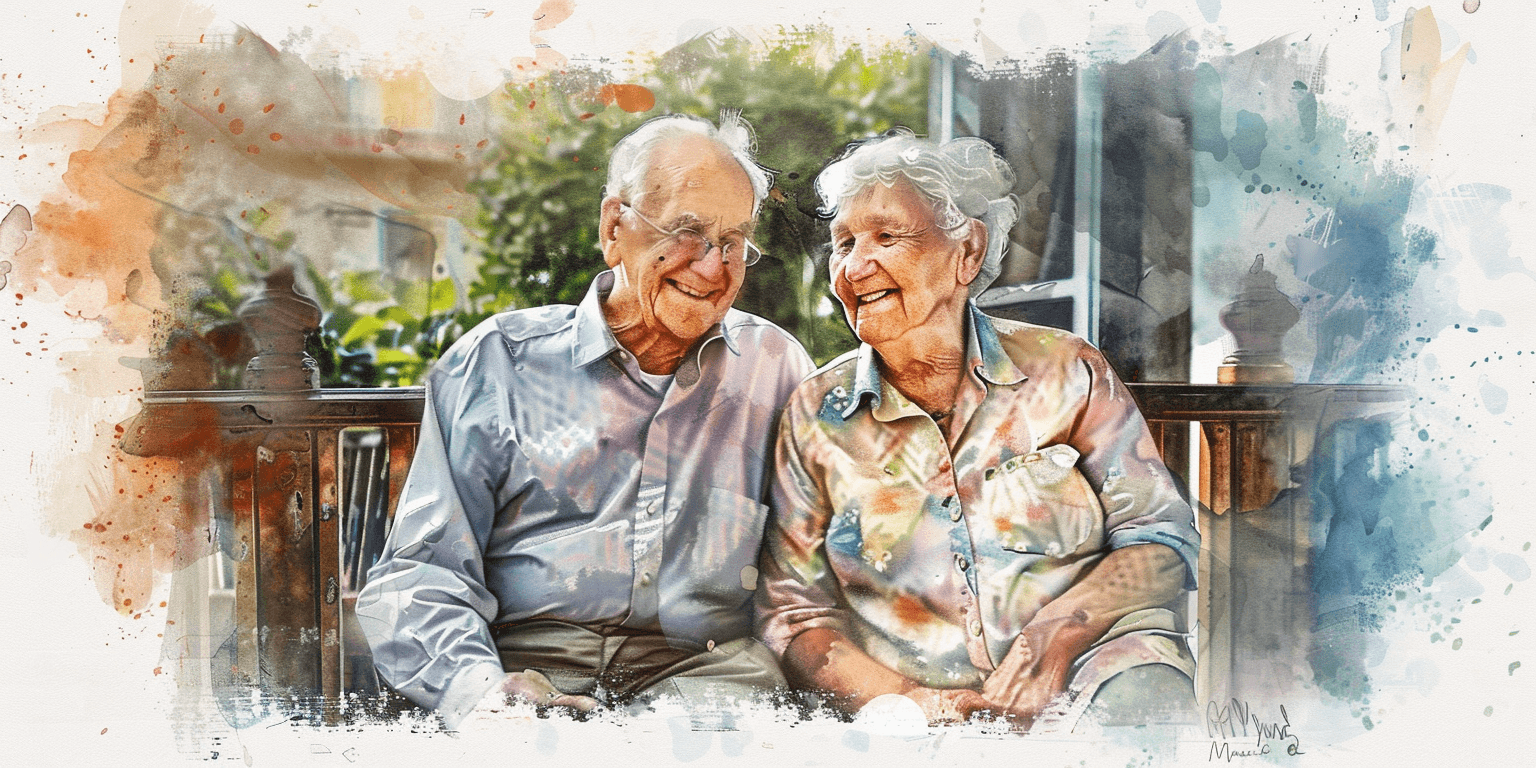
Many seniors in Miami are choosing to "age in place" — that is, to continue living in their own homes and communities as they grow older, rather than moving to a retirement facility. This approach offers comfort, independence, and the joy of staying in familiar surroundings. In fact, a strong majority of Americans over 50 (around 75%) wish to remain in their current homes as they age according to the AARP.
For families in South Florida, supporting an aging loved one at home can be incredibly rewarding, but it also comes with challenges. This guide will walk you through the unique considerations for Miami seniors aging in place, and how to ensure your loved one has the care and support they need.
Understanding the Importance of Aging in Place
Aging in place refers to the ability to live safely, independently, and comfortably in your own home as you get older, without having to relocate to a care facility. It’s more than just a preference – it’s a lifestyle choice with real benefits.
Staying at home can often be more affordable than a nursing home or assisted living, more flexible in meeting a senior’s personal needs, and far more personal in terms of comfort and freedom. Seniors who age in place get to maintain their routines, stay connected with neighbors, and enjoy the freedom of their own space. However, aging in place also means families must plan for support services and safety measures as health needs change.
Miami’s Growing Senior Population and Its Needs
Miami is home to a vibrant and fast-growing senior population. In the greater Miami metro area, the 65-and-up age group grew by about 7.5% between 2020 and 2023 – significantly faster than any other age group (Axios). Today, over 1.2 million South Floridians are 65 or older. In Miami-Dade County alone, there are more than 450,000 residents over 65 enjoying life in our tropical paradise, and that number is expected to keep rising as the Baby Boomers age. Local officials estimate the county’s 60+ population will reach 800,000 by 2040, roughly a quarter of all residents.
Why does this matter?
As our community ages, it’s essential to be mindful of older residents’ specific needs like health care, transportation, and affordable housing. South Florida’s popularity as a retirement haven brings great opportunities – a wealth of senior services, medical specialists, and peer communities – but also pressures on infrastructure and care systems. Families with aging loved ones should stay informed about both the benefits and the challenges that come with growing older in Miami.
Challenges of Aging in Place in Miami
Aging at home in Miami can be immensely fulfilling, but it isn’t without its hurdles. Here are some key challenges that Miami seniors and their families need to consider:
Limited Caregiver Availability
Florida is a top retirement state, which means high demand for home care and professional caregivers. A recent analysis ranked Florida as the worst state for aging in place, partly due to a shortage of home health aides – about 56 seniors for every one aide, the lowest availability in the nation. This can make it harder to find reliable in-home help on short notice. Families often experience long wait times or difficulty scheduling care through traditional agencies because so many local seniors need assistance.
High Cost of Living and Care
South Florida’s cost of living has risen, and housing costs are about 4% above the national average in Florida. Many older Miamians live on fixed incomes, so expenses require careful planning. Nearly one-third of Florida seniors with their own homes (30%) spend over 30% of their income on housing costs, indicating a significant cost burden.
When it comes to in-home care, Miami actually has a slight advantage – hourly home care rates here average around $19–$20 per hour, which is a bit lower than the state and national averages. In fact, Miami’s home care costs are about $800 less per month than the U.S. average. Even so, paying for many hours of care or specialized services can add up quickly. Traditional home care agencies often charge hefty overhead fees, which drive costs higher for families. This is why families are increasingly exploring private in-home care options to hire caregivers directly at lower cost.
Healthcare Access and Emergency Services
South Florida boasts excellent hospitals and clinics, but a larger senior population means greater strain on healthcare resources. It’s not uncommon for older adults to face long waits for certain specialist appointments or crowded emergency rooms. Ensuring your loved one has transportation to medical visits or can access telemedicine when appropriate is important.
Emergency preparedness is also a big concern – particularly during hurricane season. Miami’s coastal location means seniors aging in place must have a solid plan for hurricanes and storms. Tragically, when Hurricane Ian struck Florida in 2022, about two-thirds of those who lost their lives were age 60 or older, many of them found in their homes after failing to evacuate. This shows how vital it is to have an evacuation plan and support network for older residents before a major storm hits.
Home Safety and Maintenance
Florida’s older housing and extreme weather can pose challenges for seniors living at home. High heat and humidity require a good air conditioner (and backup power for medical devices if electricity goes out). Heavy rain and occasional floods can threaten homes that aren’t prepared.
Regular home maintenance – from cleaning gutters to pest control – may become difficult for an older person to manage alone. Additionally, houses may need modifications to become senior-friendly, such as grab bars in the bathroom, ramps instead of steps, good lighting, and fall prevention measures. Without these upgrades, the risk of falls or accidents increases.
Isolation and Mobility
While Miami has a lively social scene, getting around can be tough if a senior no longer drives. Our public transit is improving but remains limited in many neighborhoods. Seniors who live alone might become isolated at home, especially if friends or family aren’t nearby. Loneliness is more than just sad – it’s been linked to health issues. Nationwide, about 43% of seniors live alone, and even in family-oriented Miami, many older adults end up spending a lot of time by themselves. Combating isolation is a challenge families need to take seriously – whether that means scheduling regular visits, arranging transportation to social activities, or bringing in companion caregivers for conversation and company.
Read our blog on "Tips for Combatting Isolation and Loneliness in Older Adults" for practical advice for your aging loved one.
Opportunities and Resources for Miami Seniors
Despite these challenges, Miami offers many advantages and resources for seniors who choose to age in place. Families can tap into a supportive community and various programs designed to help older adults live safely and happily at home:
A Supportive Senior Community
South Florida’s culture is very welcoming to older adults. In fact, Florida tends to have more multi-generational living and support networks – only about 39.5% of Florida’s older adults live alone, which is better than in many states. Abd many Miami seniors have family members nearby or friends and neighbors who look out for each other.
Age-Friendly Initiatives
Local government and nonprofits recognize the needs of our aging population. Miami-Dade County joined the WHO/AARP Age-Friendly Communities network in 2016, committing to make the community more livable for older adults. This has led to improvements like safer pedestrian crossings, senior discounts for public transit, and more parks with accessible facilities.
Health and Recreation
One undeniable perk of Miami life is the beautiful weather and outdoor recreation. Warm climate year-round means seniors can get outside and stay active, which is great for physical and mental health. From walking along the beach to gardening or golfing, Miami offers plenty of ways for older residents to enjoy nature and exercise. The area is ranked in the top 10% nationwide for outdoor recreation opportunities important to seniors.
Community Support Services
Families in Miami have access to numerous services that can help an elder remain at home. For example, Meals on Wheels (through Miami-Dade’s Meals for the Elderly program) delivers seven free nutritious meals per week to homebound seniors – a lifesaver for those who can’t cook or get to the grocery store regularly. Nonprofit organizations like Rebuilding Together Miami-Dade offer free home repair and safety modification services for low-income senior homeowners, ensuring houses are equipped with things like proper wiring, grab bars, ramps, and smoke alarms. There are also Special Transportation Services (STS) provided by the county for seniors with disabilities, offering door-to-door rides around the Miami metro area at very low cost.
Tax and Financial Benefits
Florida’s senior-friendly policies can be an opportunity as well. There is no state income tax, which helps retirees’ savings stretch further. Homestead exemptions and other property tax relief for seniors can ease the financial burden of owning a home on a fixed income.
How Clara Helps Miami Families Address These Needs
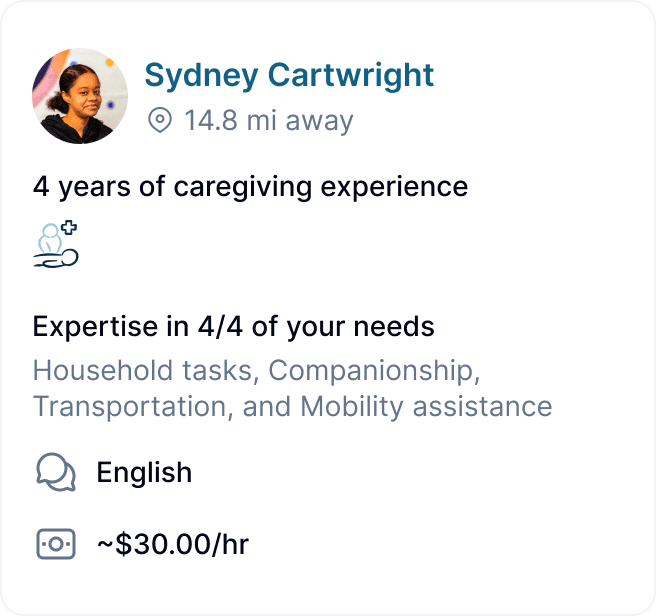
After looking at the landscape of aging in place in Miami – the challenges of finding affordable, reliable care and the importance of flexibility and trust – you might be wondering how to get the best support for your loved one. This is where Clara comes in. Clara is not a typical home care agency; rather, it’s a facilitator of in-home senior care solutions that empowers families to hire caregivers directly. By using Clara’s modern approach, Miami families can overcome many of the hurdles we’ve discussed.
Ultimately, our goal at Clara is to make aging in place safe, comfortable, and stress-free for seniors and their families. We understand the Miami community and its unique needs, and we’re here to assist you at every step, from finding the perfect caregiver to managing the details of care.
Ready to get help or have questions? We encourage you to reach out to see how Clara can support your family’s specific situation. Give us a call at 415-985-0926 or send an email to contact@clarahomecare.com to speak with our team.
You can also complete our 2-minute Care Survey on our website to quickly outline your needs, and we’ll follow up with personalized options. Aging in place is a journey that no family has to navigate alone – and with the right help, your loved one can continue enjoying life at home in Miami, with all the freedom and dignity they deserve. Clara is here to make that possible, so don’t hesitate to get in touch with us and let us know how we can help.
Many seniors in Miami are choosing to "age in place" — that is, to continue living in their own homes and communities as they grow older, rather than moving to a retirement facility. This approach offers comfort, independence, and the joy of staying in familiar surroundings. In fact, a strong majority of Americans over 50 (around 75%) wish to remain in their current homes as they age according to the AARP.
For families in South Florida, supporting an aging loved one at home can be incredibly rewarding, but it also comes with challenges. This guide will walk you through the unique considerations for Miami seniors aging in place, and how to ensure your loved one has the care and support they need.
Understanding the Importance of Aging in Place
Aging in place refers to the ability to live safely, independently, and comfortably in your own home as you get older, without having to relocate to a care facility. It’s more than just a preference – it’s a lifestyle choice with real benefits.
Staying at home can often be more affordable than a nursing home or assisted living, more flexible in meeting a senior’s personal needs, and far more personal in terms of comfort and freedom. Seniors who age in place get to maintain their routines, stay connected with neighbors, and enjoy the freedom of their own space. However, aging in place also means families must plan for support services and safety measures as health needs change.
Miami’s Growing Senior Population and Its Needs
Miami is home to a vibrant and fast-growing senior population. In the greater Miami metro area, the 65-and-up age group grew by about 7.5% between 2020 and 2023 – significantly faster than any other age group (Axios). Today, over 1.2 million South Floridians are 65 or older. In Miami-Dade County alone, there are more than 450,000 residents over 65 enjoying life in our tropical paradise, and that number is expected to keep rising as the Baby Boomers age. Local officials estimate the county’s 60+ population will reach 800,000 by 2040, roughly a quarter of all residents.
Why does this matter?
As our community ages, it’s essential to be mindful of older residents’ specific needs like health care, transportation, and affordable housing. South Florida’s popularity as a retirement haven brings great opportunities – a wealth of senior services, medical specialists, and peer communities – but also pressures on infrastructure and care systems. Families with aging loved ones should stay informed about both the benefits and the challenges that come with growing older in Miami.
Challenges of Aging in Place in Miami
Aging at home in Miami can be immensely fulfilling, but it isn’t without its hurdles. Here are some key challenges that Miami seniors and their families need to consider:
Limited Caregiver Availability
Florida is a top retirement state, which means high demand for home care and professional caregivers. A recent analysis ranked Florida as the worst state for aging in place, partly due to a shortage of home health aides – about 56 seniors for every one aide, the lowest availability in the nation. This can make it harder to find reliable in-home help on short notice. Families often experience long wait times or difficulty scheduling care through traditional agencies because so many local seniors need assistance.
High Cost of Living and Care
South Florida’s cost of living has risen, and housing costs are about 4% above the national average in Florida. Many older Miamians live on fixed incomes, so expenses require careful planning. Nearly one-third of Florida seniors with their own homes (30%) spend over 30% of their income on housing costs, indicating a significant cost burden.
When it comes to in-home care, Miami actually has a slight advantage – hourly home care rates here average around $19–$20 per hour, which is a bit lower than the state and national averages. In fact, Miami’s home care costs are about $800 less per month than the U.S. average. Even so, paying for many hours of care or specialized services can add up quickly. Traditional home care agencies often charge hefty overhead fees, which drive costs higher for families. This is why families are increasingly exploring private in-home care options to hire caregivers directly at lower cost.
Healthcare Access and Emergency Services
South Florida boasts excellent hospitals and clinics, but a larger senior population means greater strain on healthcare resources. It’s not uncommon for older adults to face long waits for certain specialist appointments or crowded emergency rooms. Ensuring your loved one has transportation to medical visits or can access telemedicine when appropriate is important.
Emergency preparedness is also a big concern – particularly during hurricane season. Miami’s coastal location means seniors aging in place must have a solid plan for hurricanes and storms. Tragically, when Hurricane Ian struck Florida in 2022, about two-thirds of those who lost their lives were age 60 or older, many of them found in their homes after failing to evacuate. This shows how vital it is to have an evacuation plan and support network for older residents before a major storm hits.
Home Safety and Maintenance
Florida’s older housing and extreme weather can pose challenges for seniors living at home. High heat and humidity require a good air conditioner (and backup power for medical devices if electricity goes out). Heavy rain and occasional floods can threaten homes that aren’t prepared.
Regular home maintenance – from cleaning gutters to pest control – may become difficult for an older person to manage alone. Additionally, houses may need modifications to become senior-friendly, such as grab bars in the bathroom, ramps instead of steps, good lighting, and fall prevention measures. Without these upgrades, the risk of falls or accidents increases.
Isolation and Mobility
While Miami has a lively social scene, getting around can be tough if a senior no longer drives. Our public transit is improving but remains limited in many neighborhoods. Seniors who live alone might become isolated at home, especially if friends or family aren’t nearby. Loneliness is more than just sad – it’s been linked to health issues. Nationwide, about 43% of seniors live alone, and even in family-oriented Miami, many older adults end up spending a lot of time by themselves. Combating isolation is a challenge families need to take seriously – whether that means scheduling regular visits, arranging transportation to social activities, or bringing in companion caregivers for conversation and company.
Read our blog on "Tips for Combatting Isolation and Loneliness in Older Adults" for practical advice for your aging loved one.
Opportunities and Resources for Miami Seniors
Despite these challenges, Miami offers many advantages and resources for seniors who choose to age in place. Families can tap into a supportive community and various programs designed to help older adults live safely and happily at home:
A Supportive Senior Community
South Florida’s culture is very welcoming to older adults. In fact, Florida tends to have more multi-generational living and support networks – only about 39.5% of Florida’s older adults live alone, which is better than in many states. Abd many Miami seniors have family members nearby or friends and neighbors who look out for each other.
Age-Friendly Initiatives
Local government and nonprofits recognize the needs of our aging population. Miami-Dade County joined the WHO/AARP Age-Friendly Communities network in 2016, committing to make the community more livable for older adults. This has led to improvements like safer pedestrian crossings, senior discounts for public transit, and more parks with accessible facilities.
Health and Recreation
One undeniable perk of Miami life is the beautiful weather and outdoor recreation. Warm climate year-round means seniors can get outside and stay active, which is great for physical and mental health. From walking along the beach to gardening or golfing, Miami offers plenty of ways for older residents to enjoy nature and exercise. The area is ranked in the top 10% nationwide for outdoor recreation opportunities important to seniors.
Community Support Services
Families in Miami have access to numerous services that can help an elder remain at home. For example, Meals on Wheels (through Miami-Dade’s Meals for the Elderly program) delivers seven free nutritious meals per week to homebound seniors – a lifesaver for those who can’t cook or get to the grocery store regularly. Nonprofit organizations like Rebuilding Together Miami-Dade offer free home repair and safety modification services for low-income senior homeowners, ensuring houses are equipped with things like proper wiring, grab bars, ramps, and smoke alarms. There are also Special Transportation Services (STS) provided by the county for seniors with disabilities, offering door-to-door rides around the Miami metro area at very low cost.
Tax and Financial Benefits
Florida’s senior-friendly policies can be an opportunity as well. There is no state income tax, which helps retirees’ savings stretch further. Homestead exemptions and other property tax relief for seniors can ease the financial burden of owning a home on a fixed income.
How Clara Helps Miami Families Address These Needs
After looking at the landscape of aging in place in Miami – the challenges of finding affordable, reliable care and the importance of flexibility and trust – you might be wondering how to get the best support for your loved one. This is where Clara comes in. Clara is not a typical home care agency; rather, it’s a facilitator of in-home senior care solutions that empowers families to hire caregivers directly. By using Clara’s modern approach, Miami families can overcome many of the hurdles we’ve discussed.
Ultimately, our goal at Clara is to make aging in place safe, comfortable, and stress-free for seniors and their families. We understand the Miami community and its unique needs, and we’re here to assist you at every step, from finding the perfect caregiver to managing the details of care.
Ready to get help or have questions? We encourage you to reach out to see how Clara can support your family’s specific situation. Give us a call at 415-985-0926 or send an email to contact@clarahomecare.com to speak with our team.
You can also complete our 2-minute Care Survey on our website to quickly outline your needs, and we’ll follow up with personalized options. Aging in place is a journey that no family has to navigate alone – and with the right help, your loved one can continue enjoying life at home in Miami, with all the freedom and dignity they deserve. Clara is here to make that possible, so don’t hesitate to get in touch with us and let us know how we can help.
Many seniors in Miami are choosing to "age in place" — that is, to continue living in their own homes and communities as they grow older, rather than moving to a retirement facility. This approach offers comfort, independence, and the joy of staying in familiar surroundings. In fact, a strong majority of Americans over 50 (around 75%) wish to remain in their current homes as they age according to the AARP.
For families in South Florida, supporting an aging loved one at home can be incredibly rewarding, but it also comes with challenges. This guide will walk you through the unique considerations for Miami seniors aging in place, and how to ensure your loved one has the care and support they need.
Understanding the Importance of Aging in Place
Aging in place refers to the ability to live safely, independently, and comfortably in your own home as you get older, without having to relocate to a care facility. It’s more than just a preference – it’s a lifestyle choice with real benefits.
Staying at home can often be more affordable than a nursing home or assisted living, more flexible in meeting a senior’s personal needs, and far more personal in terms of comfort and freedom. Seniors who age in place get to maintain their routines, stay connected with neighbors, and enjoy the freedom of their own space. However, aging in place also means families must plan for support services and safety measures as health needs change.
Miami’s Growing Senior Population and Its Needs
Miami is home to a vibrant and fast-growing senior population. In the greater Miami metro area, the 65-and-up age group grew by about 7.5% between 2020 and 2023 – significantly faster than any other age group (Axios). Today, over 1.2 million South Floridians are 65 or older. In Miami-Dade County alone, there are more than 450,000 residents over 65 enjoying life in our tropical paradise, and that number is expected to keep rising as the Baby Boomers age. Local officials estimate the county’s 60+ population will reach 800,000 by 2040, roughly a quarter of all residents.
Why does this matter?
As our community ages, it’s essential to be mindful of older residents’ specific needs like health care, transportation, and affordable housing. South Florida’s popularity as a retirement haven brings great opportunities – a wealth of senior services, medical specialists, and peer communities – but also pressures on infrastructure and care systems. Families with aging loved ones should stay informed about both the benefits and the challenges that come with growing older in Miami.
Challenges of Aging in Place in Miami
Aging at home in Miami can be immensely fulfilling, but it isn’t without its hurdles. Here are some key challenges that Miami seniors and their families need to consider:
Limited Caregiver Availability
Florida is a top retirement state, which means high demand for home care and professional caregivers. A recent analysis ranked Florida as the worst state for aging in place, partly due to a shortage of home health aides – about 56 seniors for every one aide, the lowest availability in the nation. This can make it harder to find reliable in-home help on short notice. Families often experience long wait times or difficulty scheduling care through traditional agencies because so many local seniors need assistance.
High Cost of Living and Care
South Florida’s cost of living has risen, and housing costs are about 4% above the national average in Florida. Many older Miamians live on fixed incomes, so expenses require careful planning. Nearly one-third of Florida seniors with their own homes (30%) spend over 30% of their income on housing costs, indicating a significant cost burden.
When it comes to in-home care, Miami actually has a slight advantage – hourly home care rates here average around $19–$20 per hour, which is a bit lower than the state and national averages. In fact, Miami’s home care costs are about $800 less per month than the U.S. average. Even so, paying for many hours of care or specialized services can add up quickly. Traditional home care agencies often charge hefty overhead fees, which drive costs higher for families. This is why families are increasingly exploring private in-home care options to hire caregivers directly at lower cost.
Healthcare Access and Emergency Services
South Florida boasts excellent hospitals and clinics, but a larger senior population means greater strain on healthcare resources. It’s not uncommon for older adults to face long waits for certain specialist appointments or crowded emergency rooms. Ensuring your loved one has transportation to medical visits or can access telemedicine when appropriate is important.
Emergency preparedness is also a big concern – particularly during hurricane season. Miami’s coastal location means seniors aging in place must have a solid plan for hurricanes and storms. Tragically, when Hurricane Ian struck Florida in 2022, about two-thirds of those who lost their lives were age 60 or older, many of them found in their homes after failing to evacuate. This shows how vital it is to have an evacuation plan and support network for older residents before a major storm hits.
Home Safety and Maintenance
Florida’s older housing and extreme weather can pose challenges for seniors living at home. High heat and humidity require a good air conditioner (and backup power for medical devices if electricity goes out). Heavy rain and occasional floods can threaten homes that aren’t prepared.
Regular home maintenance – from cleaning gutters to pest control – may become difficult for an older person to manage alone. Additionally, houses may need modifications to become senior-friendly, such as grab bars in the bathroom, ramps instead of steps, good lighting, and fall prevention measures. Without these upgrades, the risk of falls or accidents increases.
Isolation and Mobility
While Miami has a lively social scene, getting around can be tough if a senior no longer drives. Our public transit is improving but remains limited in many neighborhoods. Seniors who live alone might become isolated at home, especially if friends or family aren’t nearby. Loneliness is more than just sad – it’s been linked to health issues. Nationwide, about 43% of seniors live alone, and even in family-oriented Miami, many older adults end up spending a lot of time by themselves. Combating isolation is a challenge families need to take seriously – whether that means scheduling regular visits, arranging transportation to social activities, or bringing in companion caregivers for conversation and company.
Read our blog on "Tips for Combatting Isolation and Loneliness in Older Adults" for practical advice for your aging loved one.
Opportunities and Resources for Miami Seniors
Despite these challenges, Miami offers many advantages and resources for seniors who choose to age in place. Families can tap into a supportive community and various programs designed to help older adults live safely and happily at home:
A Supportive Senior Community
South Florida’s culture is very welcoming to older adults. In fact, Florida tends to have more multi-generational living and support networks – only about 39.5% of Florida’s older adults live alone, which is better than in many states. Abd many Miami seniors have family members nearby or friends and neighbors who look out for each other.
Age-Friendly Initiatives
Local government and nonprofits recognize the needs of our aging population. Miami-Dade County joined the WHO/AARP Age-Friendly Communities network in 2016, committing to make the community more livable for older adults. This has led to improvements like safer pedestrian crossings, senior discounts for public transit, and more parks with accessible facilities.
Health and Recreation
One undeniable perk of Miami life is the beautiful weather and outdoor recreation. Warm climate year-round means seniors can get outside and stay active, which is great for physical and mental health. From walking along the beach to gardening or golfing, Miami offers plenty of ways for older residents to enjoy nature and exercise. The area is ranked in the top 10% nationwide for outdoor recreation opportunities important to seniors.
Community Support Services
Families in Miami have access to numerous services that can help an elder remain at home. For example, Meals on Wheels (through Miami-Dade’s Meals for the Elderly program) delivers seven free nutritious meals per week to homebound seniors – a lifesaver for those who can’t cook or get to the grocery store regularly. Nonprofit organizations like Rebuilding Together Miami-Dade offer free home repair and safety modification services for low-income senior homeowners, ensuring houses are equipped with things like proper wiring, grab bars, ramps, and smoke alarms. There are also Special Transportation Services (STS) provided by the county for seniors with disabilities, offering door-to-door rides around the Miami metro area at very low cost.
Tax and Financial Benefits
Florida’s senior-friendly policies can be an opportunity as well. There is no state income tax, which helps retirees’ savings stretch further. Homestead exemptions and other property tax relief for seniors can ease the financial burden of owning a home on a fixed income.
How Clara Helps Miami Families Address These Needs
After looking at the landscape of aging in place in Miami – the challenges of finding affordable, reliable care and the importance of flexibility and trust – you might be wondering how to get the best support for your loved one. This is where Clara comes in. Clara is not a typical home care agency; rather, it’s a facilitator of in-home senior care solutions that empowers families to hire caregivers directly. By using Clara’s modern approach, Miami families can overcome many of the hurdles we’ve discussed.
Ultimately, our goal at Clara is to make aging in place safe, comfortable, and stress-free for seniors and their families. We understand the Miami community and its unique needs, and we’re here to assist you at every step, from finding the perfect caregiver to managing the details of care.
Ready to get help or have questions? We encourage you to reach out to see how Clara can support your family’s specific situation. Give us a call at 415-985-0926 or send an email to contact@clarahomecare.com to speak with our team.
You can also complete our 2-minute Care Survey on our website to quickly outline your needs, and we’ll follow up with personalized options. Aging in place is a journey that no family has to navigate alone – and with the right help, your loved one can continue enjoying life at home in Miami, with all the freedom and dignity they deserve. Clara is here to make that possible, so don’t hesitate to get in touch with us and let us know how we can help.
More about senior health
More about senior health

Why Capturing Seniors’ Stories Matters: Preserving Memory & Dignity With Technology
Tannis Roberts

Honoring National Grief Awareness Day: Understanding, Supporting, and Healing Together

Clara Editorial Team

The Surprising Benefits of Video Games for Seniors
Clara Editorial Team

Honoring Wisdom and Cherishing Care: Celebrating National Senior Citizens Day
Clara Editorial Team

Smart Tools To Safeguard Loved Ones With Dementia From Scams
Clara Editorial Team

10 Joyful Hobbies Seniors Can Try at Any Age

Ke Ma

Sunshine & Senior Smiles: 10 Summer Activities for Older Adults

Lowrie Hilladakis

How Do I Protect My Aging Parents From Scams?
Clara Editorial Team

Art Therapy for Seniors: Unlocking Creativity, Connection, and Healing at Home
Ke Ma

Aging in Place in New York
Clara Editorial Team
Get a 100% free consultation
Better care starts with Clara.
Discover and hire top-notch home care agencies without the headache for a price that fits your budget.


Get a 100% free consultation
Better care starts with Clara.
Discover and hire top-notch home care agencies without the headache for a price that fits your budget.
Get a 100% free consultation
Better care starts with Clara.
Discover and hire top-notch home care agencies without the headache for a price that fits your budget.