
Why Capturing Seniors’ Stories Matters: Preserving Memory & Dignity With Technology
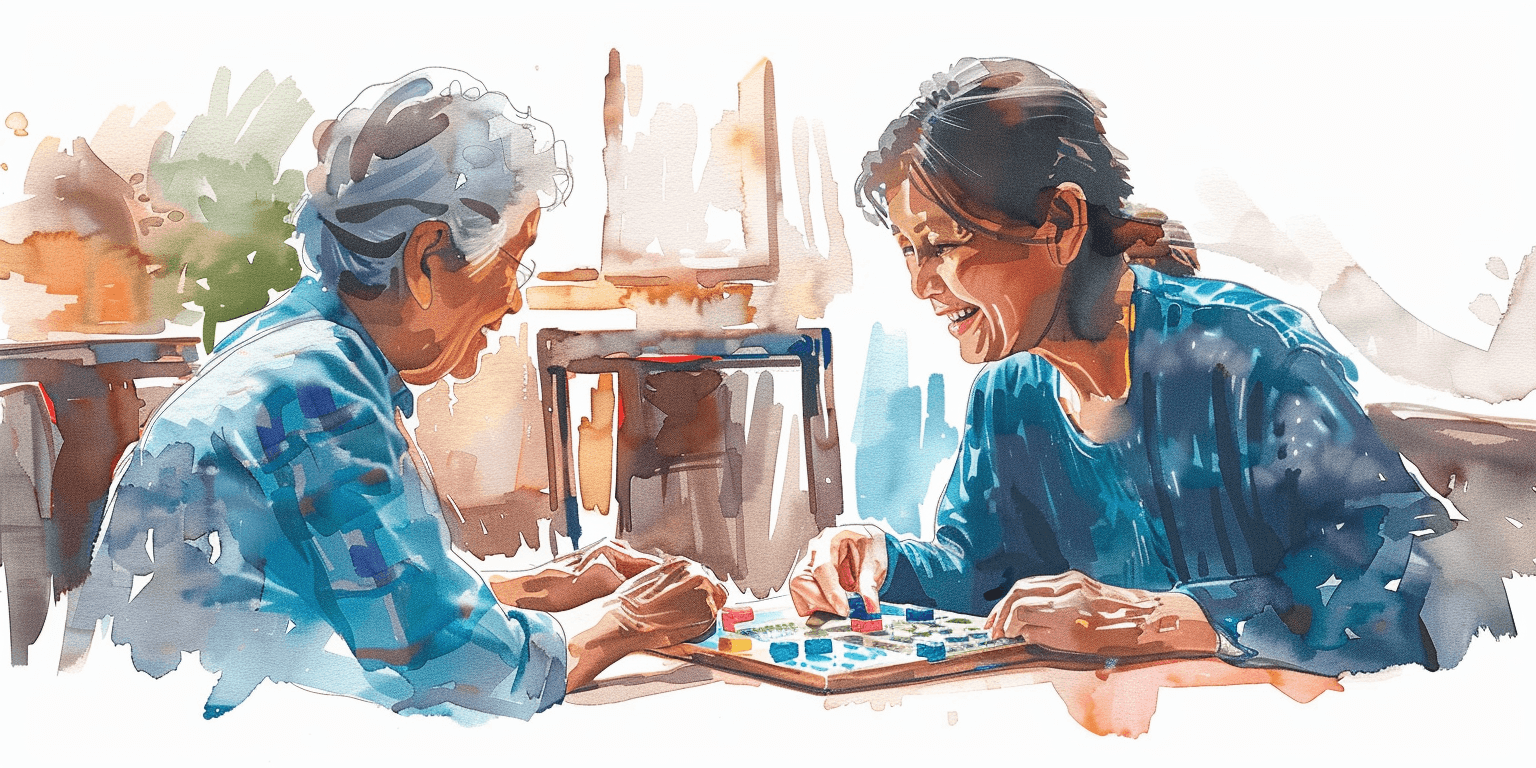
Aging often arrives hand in hand with change—for seniors, for families, and for the caregivers who support them. As needs increase, attention naturally turns toward health, safety, and coordination. In the midst of these demands, something deeply personal can begin to fade: the stories that reveal who someone truly is—what makes them laugh, what they believe in, and what they love. Capturing these memories is not about holding onto the past—it is about honoring a life, preserving identity, and staying connected.
Why Technology-Assisted Memory Capture Matters for Seniors
Every senior carries a lifetime within them. There are stories of childhood, work, relationships, and experiences that helped shape who they are today. These memories are not simply recollections; they are expressions of self and an essential part of what gives life meaning.
As aging brings physical or cognitive changes, sharing those stories can become harder. Technology-assisted memory capture offers a way to preserve a person’s voice while they are still able to share it—gently, gradually, and in their own way. Whether a senior is living at home or in a care setting, technology helps ensure that their memories are not lost to time or circumstance, supporting both dignity and quality of life.
Holding Onto the Person Behind the Care
When someone begins to need care, it can feel as though their identity slowly becomes overshadowed by their needs. Conversations shift. Time is limited. Interactions become more functional.
Memory capture helps restore what can be lost in that transition.
When a senior’s stories are recorded and preserved, they remain present—not only as someone receiving care, but as a person who has lived a full and meaningful life. Their humor, opinions, values, and experiences continue to be known and honored, reinforcing personhood and offering a voice for the voiceless when they are no longer able to fully advocate for themselves.
What Technology Makes Possible
Technology allows memories to be captured in ways that feel accessible and respectful.
For many seniors, speaking is easier than writing. Short voice recordings or videos allow stories to be shared without fatigue or pressure. Memories can be captured in brief moments—one thought, one reflection, one story at a time.
Technology also makes it possible to return to these memories. A familiar voice can offer comfort. A remembered story can bring calm. A preserved message can reconnect someone to who they are on days when that feels harder to remember—boosting emotional well-being and overall quality of life.
Supporting Seniors at Home
For seniors living at home, digitally captured stories help families stay close—even when time or distance makes that difficult.
Memories can be recorded during visits, over video calls, or in quiet moments of reflection. These recordings become something families can return to, share, and hold onto. They capture a loved one as they are now, not just as they were in the past.
For many families, these preserved memories become deeply meaningful—especially as care needs increase or transitions begin. They provide comfort, reassurance, and a sense of continuity through change.
Supporting Seniors in Care Settings
In care environments, where safety and medical needs often take priority, technology-assisted memory capture helps ensure that personhood remains central.
When caregivers have access to a senior’s recorded memories, they gain insight into who that person is beyond the care they require. Stories reveal what mattered most in their life, what brings comfort, and how they see the world—supporting more personalized, respectful care.
For seniors experiencing cognitive changes, captured reflections support continuity of care. Even when words become harder to find, identity does not disappear. Stories help hold it in place and contribute to a calmer, more familiar care experience.
Turning Personal History Into Meaningful Activities
Recorded life stories and personal preferences give recreation therapists and activity directors meaningful insight into what truly engages each resident. Favourite songs can shape singalongs or music nights that spark joy and participation. Favourite films become familiar, comforting movie nights. Cherished recipes can inspire cooking clubs that encourage conversation, memory, and connection. When activities are rooted in a person’s own history and interests, engagement deepens, participation increases, and daily programming becomes an extension of person-centred care rather than a one-size-fits-all routine.
Helping Caregivers Through the Hardest Moments
Some of the most difficult moments in caregiving happen during transitions—bathing, dressing, toileting, bedtime, or medical procedures. These moments can be confusing or frightening for seniors, particularly when communication becomes difficult.
Memory capture offers caregivers something invaluable in these moments: understanding.
Knowing a person’s history, values, and personal boundaries helps caregivers approach care with compassion rather than urgency. A remembered phrase, a familiar topic, or a known source of comfort can help soothe anxiety, reduce distress, and make care interactions gentler and more effective.
Technology makes this understanding accessible when it matters most—supporting continuity of care and improving daily experiences for both seniors and caregivers.
Emotional Benefits for Seniors
Being listened to changes how people feel about themselves.
Memory capture gives seniors a space to reflect, to feel proud of what they’ve lived, and to know their life has meaning beyond the present moment. For some, revisiting their own recorded stories offers reassurance and comfort on days when the world feels unfamiliar.
These tools do not replace connection. They preserve it—and in doing so, help boost quality of life.
Reassurance for Families During Difficult Decisions
Choosing care for a loved one is one of the most emotionally complex decisions families face. Even when they know it is necessary, many carry feelings of guilt, doubt, or fear that they are losing connection.
Knowing that a senior’s shared life stories are a priority within the home can ease that burden. When personal history, values, and reflections are captured and shared, families are reassured that their loved one is known as a whole person—not just by their needs, but by the life they have lived.
Continuity Through Change
Care teams change, settings shift, and needs evolve. When memories are preserved through technology, a senior’s story moves with them—supporting continuity of care and helping new caregivers understand who someone is, not just how to care for them.
When Is the Right Time?
Many families say, “We wish we had started sooner.” While earlier is often easier, it is never too late to begin.
Even a few recorded memories can become deeply treasured. What matters most is giving someone the chance to be remembered in their own words.
Thinking about preserving a loved one’s stories and memories?
Echobox Memory Vault was created with care, compassion, and deep respect for the lives behind every care journey. Whether you’re supporting a senior at home, navigating a transition into care, currently in care, or wanting to safeguard meaningful memories, Echobox offers a secure, ad-free, thoughtful way to capture what matters most. We believe every person deserves to be known for who they are—not just the care they receive. Let us help you preserve dignity, quality of life, connection, and peace of mind through life’s transitions.
Aging often arrives hand in hand with change—for seniors, for families, and for the caregivers who support them. As needs increase, attention naturally turns toward health, safety, and coordination. In the midst of these demands, something deeply personal can begin to fade: the stories that reveal who someone truly is—what makes them laugh, what they believe in, and what they love. Capturing these memories is not about holding onto the past—it is about honoring a life, preserving identity, and staying connected.
Why Technology-Assisted Memory Capture Matters for Seniors
Every senior carries a lifetime within them. There are stories of childhood, work, relationships, and experiences that helped shape who they are today. These memories are not simply recollections; they are expressions of self and an essential part of what gives life meaning.
As aging brings physical or cognitive changes, sharing those stories can become harder. Technology-assisted memory capture offers a way to preserve a person’s voice while they are still able to share it—gently, gradually, and in their own way. Whether a senior is living at home or in a care setting, technology helps ensure that their memories are not lost to time or circumstance, supporting both dignity and quality of life.
Holding Onto the Person Behind the Care
When someone begins to need care, it can feel as though their identity slowly becomes overshadowed by their needs. Conversations shift. Time is limited. Interactions become more functional.
Memory capture helps restore what can be lost in that transition.
When a senior’s stories are recorded and preserved, they remain present—not only as someone receiving care, but as a person who has lived a full and meaningful life. Their humor, opinions, values, and experiences continue to be known and honored, reinforcing personhood and offering a voice for the voiceless when they are no longer able to fully advocate for themselves.
What Technology Makes Possible
Technology allows memories to be captured in ways that feel accessible and respectful.
For many seniors, speaking is easier than writing. Short voice recordings or videos allow stories to be shared without fatigue or pressure. Memories can be captured in brief moments—one thought, one reflection, one story at a time.
Technology also makes it possible to return to these memories. A familiar voice can offer comfort. A remembered story can bring calm. A preserved message can reconnect someone to who they are on days when that feels harder to remember—boosting emotional well-being and overall quality of life.
Supporting Seniors at Home
For seniors living at home, digitally captured stories help families stay close—even when time or distance makes that difficult.
Memories can be recorded during visits, over video calls, or in quiet moments of reflection. These recordings become something families can return to, share, and hold onto. They capture a loved one as they are now, not just as they were in the past.
For many families, these preserved memories become deeply meaningful—especially as care needs increase or transitions begin. They provide comfort, reassurance, and a sense of continuity through change.
Supporting Seniors in Care Settings
In care environments, where safety and medical needs often take priority, technology-assisted memory capture helps ensure that personhood remains central.
When caregivers have access to a senior’s recorded memories, they gain insight into who that person is beyond the care they require. Stories reveal what mattered most in their life, what brings comfort, and how they see the world—supporting more personalized, respectful care.
For seniors experiencing cognitive changes, captured reflections support continuity of care. Even when words become harder to find, identity does not disappear. Stories help hold it in place and contribute to a calmer, more familiar care experience.
Turning Personal History Into Meaningful Activities
Recorded life stories and personal preferences give recreation therapists and activity directors meaningful insight into what truly engages each resident. Favourite songs can shape singalongs or music nights that spark joy and participation. Favourite films become familiar, comforting movie nights. Cherished recipes can inspire cooking clubs that encourage conversation, memory, and connection. When activities are rooted in a person’s own history and interests, engagement deepens, participation increases, and daily programming becomes an extension of person-centred care rather than a one-size-fits-all routine.
Helping Caregivers Through the Hardest Moments
Some of the most difficult moments in caregiving happen during transitions—bathing, dressing, toileting, bedtime, or medical procedures. These moments can be confusing or frightening for seniors, particularly when communication becomes difficult.
Memory capture offers caregivers something invaluable in these moments: understanding.
Knowing a person’s history, values, and personal boundaries helps caregivers approach care with compassion rather than urgency. A remembered phrase, a familiar topic, or a known source of comfort can help soothe anxiety, reduce distress, and make care interactions gentler and more effective.
Technology makes this understanding accessible when it matters most—supporting continuity of care and improving daily experiences for both seniors and caregivers.
Emotional Benefits for Seniors
Being listened to changes how people feel about themselves.
Memory capture gives seniors a space to reflect, to feel proud of what they’ve lived, and to know their life has meaning beyond the present moment. For some, revisiting their own recorded stories offers reassurance and comfort on days when the world feels unfamiliar.
These tools do not replace connection. They preserve it—and in doing so, help boost quality of life.
Reassurance for Families During Difficult Decisions
Choosing care for a loved one is one of the most emotionally complex decisions families face. Even when they know it is necessary, many carry feelings of guilt, doubt, or fear that they are losing connection.
Knowing that a senior’s shared life stories are a priority within the home can ease that burden. When personal history, values, and reflections are captured and shared, families are reassured that their loved one is known as a whole person—not just by their needs, but by the life they have lived.
Continuity Through Change
Care teams change, settings shift, and needs evolve. When memories are preserved through technology, a senior’s story moves with them—supporting continuity of care and helping new caregivers understand who someone is, not just how to care for them.
When Is the Right Time?
Many families say, “We wish we had started sooner.” While earlier is often easier, it is never too late to begin.
Even a few recorded memories can become deeply treasured. What matters most is giving someone the chance to be remembered in their own words.
Thinking about preserving a loved one’s stories and memories?
Echobox Memory Vault was created with care, compassion, and deep respect for the lives behind every care journey. Whether you’re supporting a senior at home, navigating a transition into care, currently in care, or wanting to safeguard meaningful memories, Echobox offers a secure, ad-free, thoughtful way to capture what matters most. We believe every person deserves to be known for who they are—not just the care they receive. Let us help you preserve dignity, quality of life, connection, and peace of mind through life’s transitions.
Aging often arrives hand in hand with change—for seniors, for families, and for the caregivers who support them. As needs increase, attention naturally turns toward health, safety, and coordination. In the midst of these demands, something deeply personal can begin to fade: the stories that reveal who someone truly is—what makes them laugh, what they believe in, and what they love. Capturing these memories is not about holding onto the past—it is about honoring a life, preserving identity, and staying connected.
Why Technology-Assisted Memory Capture Matters for Seniors
Every senior carries a lifetime within them. There are stories of childhood, work, relationships, and experiences that helped shape who they are today. These memories are not simply recollections; they are expressions of self and an essential part of what gives life meaning.
As aging brings physical or cognitive changes, sharing those stories can become harder. Technology-assisted memory capture offers a way to preserve a person’s voice while they are still able to share it—gently, gradually, and in their own way. Whether a senior is living at home or in a care setting, technology helps ensure that their memories are not lost to time or circumstance, supporting both dignity and quality of life.
Holding Onto the Person Behind the Care
When someone begins to need care, it can feel as though their identity slowly becomes overshadowed by their needs. Conversations shift. Time is limited. Interactions become more functional.
Memory capture helps restore what can be lost in that transition.
When a senior’s stories are recorded and preserved, they remain present—not only as someone receiving care, but as a person who has lived a full and meaningful life. Their humor, opinions, values, and experiences continue to be known and honored, reinforcing personhood and offering a voice for the voiceless when they are no longer able to fully advocate for themselves.
What Technology Makes Possible
Technology allows memories to be captured in ways that feel accessible and respectful.
For many seniors, speaking is easier than writing. Short voice recordings or videos allow stories to be shared without fatigue or pressure. Memories can be captured in brief moments—one thought, one reflection, one story at a time.
Technology also makes it possible to return to these memories. A familiar voice can offer comfort. A remembered story can bring calm. A preserved message can reconnect someone to who they are on days when that feels harder to remember—boosting emotional well-being and overall quality of life.
Supporting Seniors at Home
For seniors living at home, digitally captured stories help families stay close—even when time or distance makes that difficult.
Memories can be recorded during visits, over video calls, or in quiet moments of reflection. These recordings become something families can return to, share, and hold onto. They capture a loved one as they are now, not just as they were in the past.
For many families, these preserved memories become deeply meaningful—especially as care needs increase or transitions begin. They provide comfort, reassurance, and a sense of continuity through change.
Supporting Seniors in Care Settings
In care environments, where safety and medical needs often take priority, technology-assisted memory capture helps ensure that personhood remains central.
When caregivers have access to a senior’s recorded memories, they gain insight into who that person is beyond the care they require. Stories reveal what mattered most in their life, what brings comfort, and how they see the world—supporting more personalized, respectful care.
For seniors experiencing cognitive changes, captured reflections support continuity of care. Even when words become harder to find, identity does not disappear. Stories help hold it in place and contribute to a calmer, more familiar care experience.
Turning Personal History Into Meaningful Activities
Recorded life stories and personal preferences give recreation therapists and activity directors meaningful insight into what truly engages each resident. Favourite songs can shape singalongs or music nights that spark joy and participation. Favourite films become familiar, comforting movie nights. Cherished recipes can inspire cooking clubs that encourage conversation, memory, and connection. When activities are rooted in a person’s own history and interests, engagement deepens, participation increases, and daily programming becomes an extension of person-centred care rather than a one-size-fits-all routine.
Helping Caregivers Through the Hardest Moments
Some of the most difficult moments in caregiving happen during transitions—bathing, dressing, toileting, bedtime, or medical procedures. These moments can be confusing or frightening for seniors, particularly when communication becomes difficult.
Memory capture offers caregivers something invaluable in these moments: understanding.
Knowing a person’s history, values, and personal boundaries helps caregivers approach care with compassion rather than urgency. A remembered phrase, a familiar topic, or a known source of comfort can help soothe anxiety, reduce distress, and make care interactions gentler and more effective.
Technology makes this understanding accessible when it matters most—supporting continuity of care and improving daily experiences for both seniors and caregivers.
Emotional Benefits for Seniors
Being listened to changes how people feel about themselves.
Memory capture gives seniors a space to reflect, to feel proud of what they’ve lived, and to know their life has meaning beyond the present moment. For some, revisiting their own recorded stories offers reassurance and comfort on days when the world feels unfamiliar.
These tools do not replace connection. They preserve it—and in doing so, help boost quality of life.
Reassurance for Families During Difficult Decisions
Choosing care for a loved one is one of the most emotionally complex decisions families face. Even when they know it is necessary, many carry feelings of guilt, doubt, or fear that they are losing connection.
Knowing that a senior’s shared life stories are a priority within the home can ease that burden. When personal history, values, and reflections are captured and shared, families are reassured that their loved one is known as a whole person—not just by their needs, but by the life they have lived.
Continuity Through Change
Care teams change, settings shift, and needs evolve. When memories are preserved through technology, a senior’s story moves with them—supporting continuity of care and helping new caregivers understand who someone is, not just how to care for them.
When Is the Right Time?
Many families say, “We wish we had started sooner.” While earlier is often easier, it is never too late to begin.
Even a few recorded memories can become deeply treasured. What matters most is giving someone the chance to be remembered in their own words.
Thinking about preserving a loved one’s stories and memories?
Echobox Memory Vault was created with care, compassion, and deep respect for the lives behind every care journey. Whether you’re supporting a senior at home, navigating a transition into care, currently in care, or wanting to safeguard meaningful memories, Echobox offers a secure, ad-free, thoughtful way to capture what matters most. We believe every person deserves to be known for who they are—not just the care they receive. Let us help you preserve dignity, quality of life, connection, and peace of mind through life’s transitions.
More about senior health
More about senior health
Honoring National Grief Awareness Day: Understanding, Supporting, and Healing Together

Clara Editorial Team
Miami Seniors Aging in Place: What Families Need to Know
Clara Editorial Team

The Surprising Benefits of Video Games for Seniors
Clara Editorial Team

Honoring Wisdom and Cherishing Care: Celebrating National Senior Citizens Day
Clara Editorial Team

Smart Tools To Safeguard Loved Ones With Dementia From Scams
Clara Editorial Team

10 Joyful Hobbies Seniors Can Try at Any Age

Ke Ma

Sunshine & Senior Smiles: 10 Summer Activities for Older Adults

Lowrie Hilladakis

How Do I Protect My Aging Parents From Scams?
Clara Editorial Team

Art Therapy for Seniors: Unlocking Creativity, Connection, and Healing at Home
Ke Ma

Aging in Place in New York
Clara Editorial Team
Get a 100% free consultation
Better care starts with Clara.
Discover and hire top-notch home care agencies without the headache for a price that fits your budget.


Get a 100% free consultation
Better care starts with Clara.
Discover and hire top-notch home care agencies without the headache for a price that fits your budget.
Get a 100% free consultation
Better care starts with Clara.
Discover and hire top-notch home care agencies without the headache for a price that fits your budget.